Who owns custom software you pay for?
By David Kim, founder · Last updated 20 November 2026
In Australia, whoever writes the code owns it. If you hire an outside developer, they own it, unless you both sign a contract that says it's yours (business.gov.au). Your data is a different thing, and it should always be yours.
Who owns the code if nothing is signed?
It depends on who wrote it (IP Australia):
| Who wrote it | Who owns it |
|---|---|
| Your own staff, as part of their job | Your business |
| An outside developer, nothing signed | The developer. You can use it, but you don't own it |
| An outside developer, with a signed handover | Your business |
From Business Queensland and IP Australia.
What's a licence, and what's an assignment?
A licence lets you use the software. An assignment hands it over to you, so you own it. The law says an assignment must be written down and signed.
Developers often reuse some code for many clients, like a login screen. They usually keep owning that part and give you a licence to use it (Arts Law). The contract should say which parts are which.
Should you own the code?
Owning it comes with work. You pay for hosting, fixes and changes, and you find someone to do them. If the developer owns it, keeping it running is their job. Either way works if it's written down.
Which fits you?
- Someone on your team can host, fix and change it? Own the code.
- You'd rather someone else keeps it running? The developer owns it.
- You might switch developers one day? Get a buy-out price.
What's a buy-out price?
It's a price, written in the contract on day one, to buy the code later. If you ever want to leave, you pay that price and take the software with you.
Some bigger contracts use escrow. Someone else keeps a copy of the code, and you get it if the developer can't or won't finish the job.
Who owns your data?
Your data should always belong to you. Even when a developer stores it for you, the law can still count it as yours to look after. If the Privacy Act covers your business, you must keep customer details safe from loss and misuse.
Plan how you'd get it back. Queensland's government tells its own departments to ask for their data back in full, in a format they can use, with every other copy deleted. Any business can use the same list.
Which contract terms are a warning sign?
Since 9 November 2023, some unfair terms are banned in standard contracts with small businesses (under 100 staff). The ACCC gives examples: a term that lets only one side end the contract, or only one side change it. If you see terms like these, ask why they're there.
What should the contract say?
- Who owns the code? If it's not us, what does it cost to buy?
- Who owns the data, and how do we get it back?
- Which parts does the developer keep, and can we use them?
- What happens if the developer closes down?
- How can either side end the contract, and with how much notice?
- What does the monthly fee pay for?
How does MERIT do it?
We own the software and look after it for a monthly fee. Every written quote has the price to buy it, from day one. If you buy it, you can keep us on by the hour or use someone else. Your data is always yours.
We do it this way so keeping it running is our job, not yours. On a free 30-minute call, we'll go through these terms with you before you see a price.
-
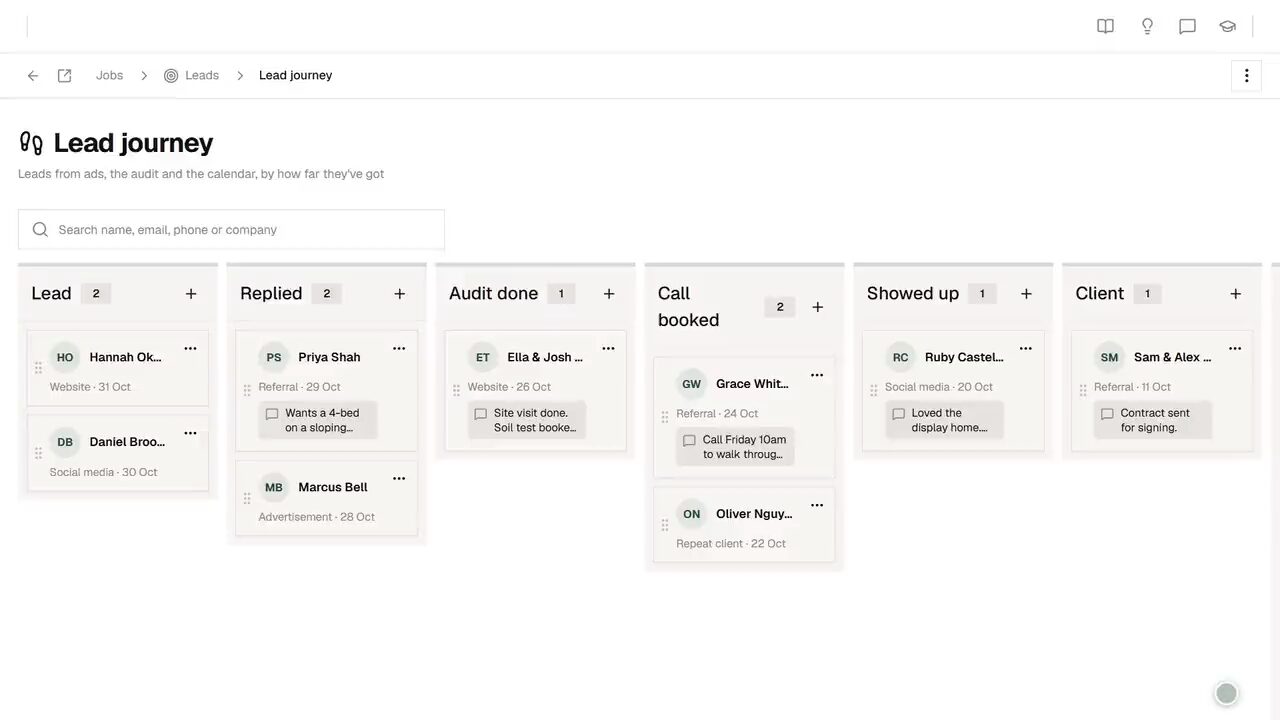 Marketing and e-signing, built for a home-builder platform.
-
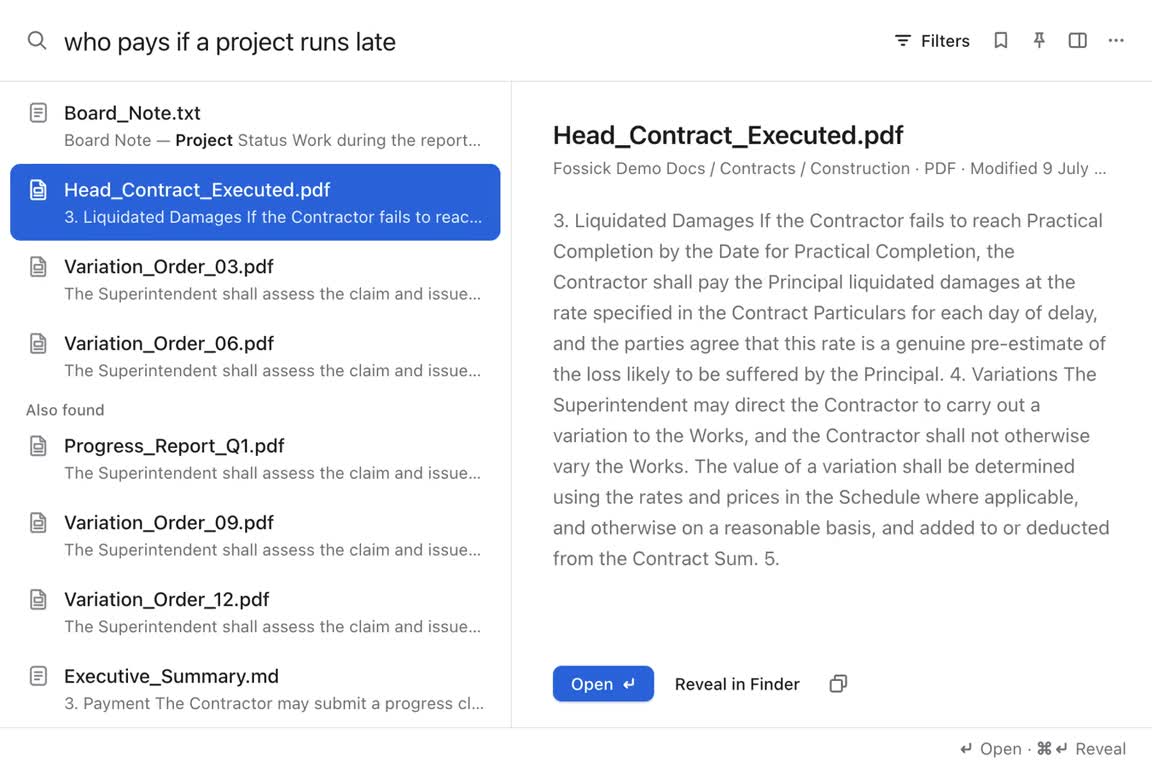 Fossick finds a document by what it says.
Book a free 30-minute call.
We look at where your team's hours go and tell you the first thing worth building, whether you hire us or not.
Not ready for a call? See what paperwork costs you or send us a note.
More guides
- How do you choose a software developer?
- How much does custom software cost?
- How to stop double entry
- Custom or off-the-shelf software: which do you need?
- See two systems we've built, running
Sources
- IP Australia, Intellectual property 101, webinar transcript.
- business.gov.au, Prepare a contract.
- Business Queensland, IP created by contractors and consultants.
- Legal Services Commission of South Australia, Law Handbook: Copyright, on the Copyright Act 1968 s 196(3).
- Arts Law Centre of Australia, Computer game design and development.
- Kilpatrick Townsend & Stockton, Software Source Code Escrow Agreements, a US practice note.
- Federal Register of Legislation, Privacy Act 1988, s 6(1), meaning of "holds".
- business.gov.au, Protect your customers' information.
- Queensland Government, Managing information in the cloud.
- ACCC, Contracts, on unfair contract terms.
All sources checked 20 November 2026. This guide is general information, not legal or financial advice.